


The takeaway
Convenience has drastically increased, but real connection has not. When you put people in the same room, the messaging and goals perform better. Not because it is nostalgic, because it is how humans make decisions. The pendulum is swinging back to live.
Convenience is not connection
We built a decade on digital, zoom links, streams, and social media . Reach was easy to buy, the money and budgets rose. Resonance has dropped and digital fatigue is real.
Marketers are seeing the limits, digital time has plateaued around half of the waking day in the United States. Consumers are also setting more boundaries on their digital use. They want control and balance. That is a signal, not a vibe. Deloitte
If you sell outcomes, pay attention. The channel with the most time spent is not always the channel that moves someone to act. Live is where attention becomes intention.
The market is already moving back to live
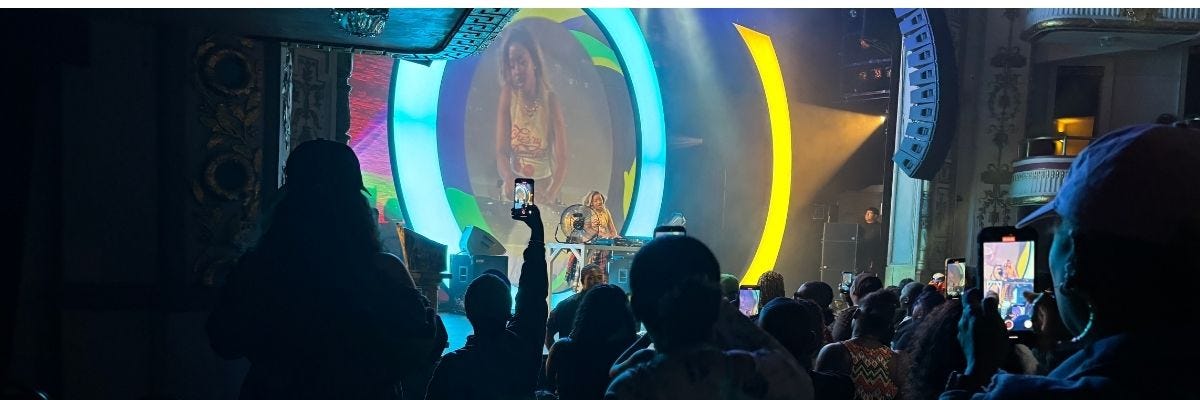
Look at concerts. In 2024, Live Nation saw 151 million fans attend nearly 55,000 events. Attendance rose 4% year over year, spend per fan increased at major festivals, driven by VIP upgrades and food and beverage. This is not niche behavior, it is broad demand for shared experience. Music Business Worldwide+1
B2B is seeing similar trends. Organizers report rising attendance at in-person conferences and plan to hold more events. Most say in-person is their most impactful marketing channel and critical to success. That is budget and strategy aligning with behavior. Bizzabo
Attendee sentiment backs it up. People rate in-person events as the most trustworthy source of information and the best place to discover new products, ahead of company websites and online events. Trust converts. PCMA
Why live works when digital stalls
Live compresses the funnel, you get awareness, trial, and trust in one sequence. You can trigger a decision and build memory at the same time.
Three reasons it outperforms:
Signal clarity. A room reduces noise. You control environment, narrative, and sequence. People process more, faster.
Social proof. Bodies in a space create momentum. People look to peers, that reduces friction and increases confidence.
Measure what matters. Not just badge scans. Real interaction. Dwell time, hands-on usage, post-event pipeline. The data is cleaner and closer to revenue.
Freeman’s attendee research shows a strong preference for in-person learning and hands-on demos. That is behavior that shortens sales cycles. PCMA
What digital misses
Digital reach is cheap. Impact is not. Consumers are more aware of the downsides of always-on life and are actively setting boundaries. Pushing more content into the same window returns less each quarter. Deloitte
Live does what the feed cannot, it creates a before and after. When people step into a designed space, the brand narrative becomes physical. They spend more time. They remember more details. They are more likely to ask a question, try the thing, and say yes.
The pendulum is swinging to boutique
Bigger is not always better, audiences are rewarding intimacy. People will pay for proximity, quality, and control. Translate that to brand experiences. Smaller rooms. Better curation. Better hosts. Less queue time. More access.
The most effective conferences deliver two things well. Targeted networking and hands-on product education. Plan formats that do both with intention.
A blended plan beats a binary plan
This is not live versus digital. It is live first, digital amplified. Use live to create the story and use digital to scale the story.
A simple way to structure it:
Pre. Target the right buyers. Set the promise. Book small group moments, not just seats.
During. Build a run of show that moves people physically and mentally. More is not always better. Strip it down to what matters most and invest time and resources to make it shine. Capture content you can use later.
Post. Turn the live signal into sustained demand. Cut highlights for sales and social. Route leads by behavior, not just scans.
Organizers are planning more in-person events, growing budgets, and ranking in-person as both the most impactful channel and critical to success. Invest where the returns are trending.
What to measure to prove it
You do not need a new dashboard. You need better definitions.
Intent metrics. Meetings booked on site. Demos completed. Opt-ins for trials. Time in zone. These beat passive scans.
Revenue proximity. Pipeline created within 30 days. Deal acceleration for existing opportunities that attended.
Content yield. Number of reusable assets captured per event and the downstream reach they drive.
Community lift. Repeat attendance, NPS by cohort, and referrals tied to event touchpoints.
In-person is rated the most trustworthy and best for product discovery. Put those advantages into your model and score them in your CRM.
How to scale live without burning budget
You don’t need to outspend. You need to out-design.
Right-size. Smaller venue. Higher density. Better energy. Focus on the people who matter.
Program like a product. Ship a clear feature set. One hero moment. Two breakout formats. One hands-on area. Remove the filler!
Design for capture. Angle lights and audio for both room and camera. Plan shots. Build a content map beforehand.
Staff for outcomes. Put product owners, not just hosts, on the floor. Give them targets and measure.
Tighten logistics. Eliminate dead time. Shorten lines, control traffic flow. Delight is often operational.
The call for brand marketers
You have a choice. Keep pushing content into a crowded feed. Or build the moments your audience will rewatch in their own heads.
The data says the demand is here. Concerts are hitting records. Premium experiences are growing. Organizers are shifting budget into in-person and calling it their most impactful channel. Attendees say live is where they trust and where they learn. That is the market telling you what to build.
Live still wins. Not because it is romantic. Because it works.
Use this
Pick one tentpole and two boutique formats. Design for depth, not scale.
Tie three metrics to revenue. Meetings set, demos done, 30-day pipeline.
Put hands-on first. Give people something to try, not just watch.
Capture with intent. Leave with 20 assets you can ship within a week.
Follow through. Route leads by behavior and trigger sequences the same day.